Philodendrons
Robert Williams ; 2026-01-07 13:13:24
If there were an award for most forgiving houseplant, philodendrons would win every time. With their dramatic leaves, laid-back light requirements, and “I’ll bounce back” attitude, these tropical beauties are perfect for beginners and seasoned plant parents alike. Whether you’re growing a trailing heartleaf on a shelf or a statement-making variety on the floor, philodendrons bring lush, jungle vibes indoors—with very little fuss.
About Philodendrons
Philodendrons are a genus of tropical and subtropical plants in the family Araceae, which includes other popular houseplants like Monstera and Anthurium. Their generic name is also often used as the common name, for example, heartleaf philodendron. With over 450 species and growth habits from terrestrial to vining and climbing, you may find you can never have enough of these beautiful plants.
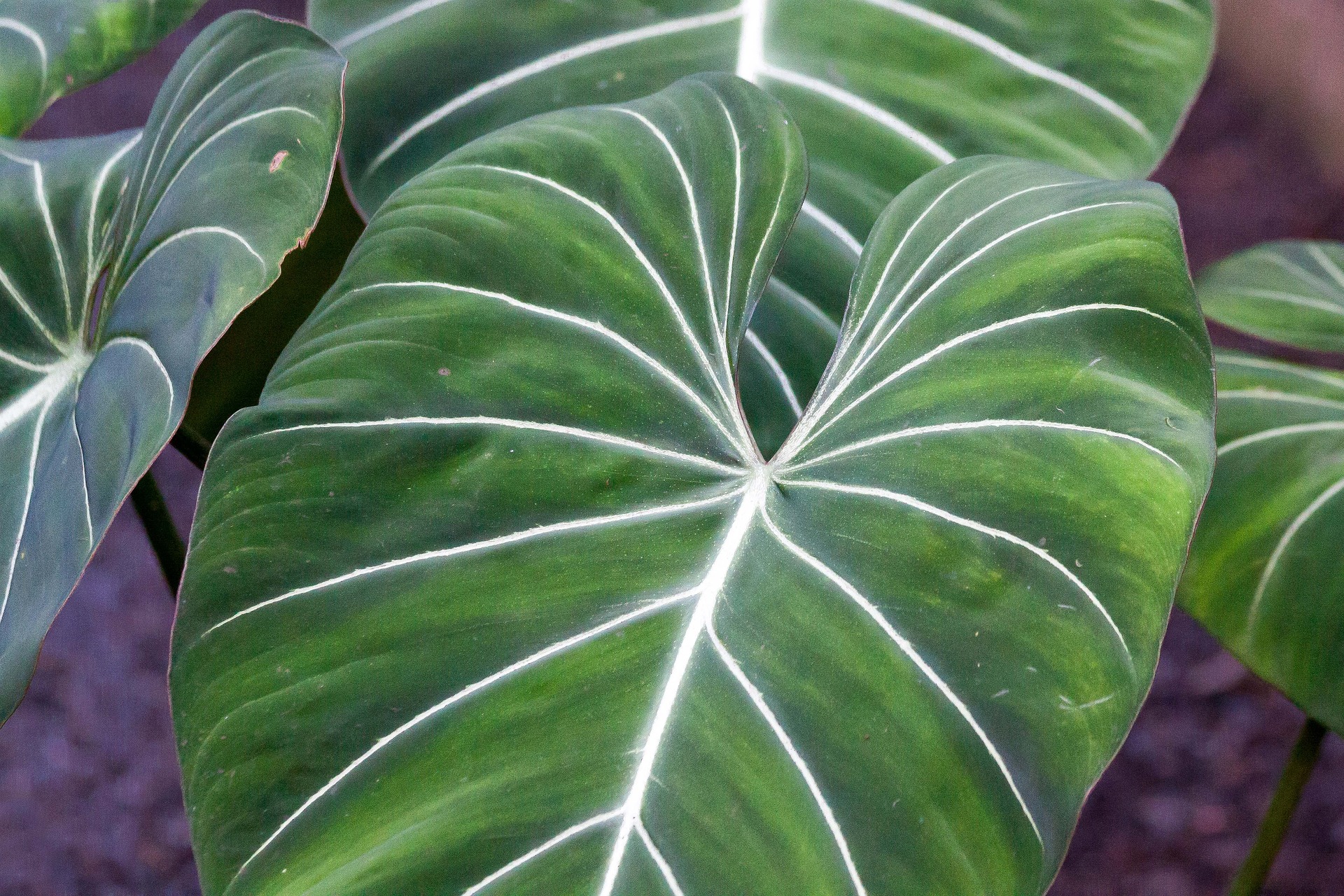
Most philodendrons have large, glossy leaves that can be oval-, spear-, or heart-shaped. Some are covered in a velvety coat of fine hairs.
In their natural habitat of Central and South America, most philodendrons are tree canopy species growing in humid, tropical forests. They enjoy the dappled light, high humidity, and warm temperatures found in and under the tops of the trees.
While some areepiphytic, others arehemiepiphytic. If you want some bedtime reading, check out this paper on the history and use of the terms epiphytic and hemiepiphytic published by Oxford University Press. Epiphytic philodendrons germinate in the tree canopy and eventually grow roots toward the soil. Hemiepiphytic philodendrons germinate near or on the forest floor and look for a tree to climb.
Philodendrons that follow this pattern will grow along the ground toward areas of darkness (heavy shade under trees). This trait is calledskototropism. Once they find a tree trunk or plant to climb, they revert to phototropism, growing toward the light.
Planting
When to Plant Philodendrons
Philodendrons planted as houseplants can be potted up at any time of the year. Generally, they will do the best when repotted in spring or summer, during the peak growing season.
How to Plant Philodendrons
- Philodendrons may be purchased as young plants or as cuttings. Young plants can be potted up, similar to other houseplants. Cuttings should be rooted first, commonly in water, although rooting in soil can also work.
- Make sure the pot and soil have good drainage. Although they are tropical plants, wet, soggy soil can still lead to root rot.
- Wet the soil in the existing pot and let it soak in for a few minutes to make removing the plant easier.
- You may also need to loosen the sides of the root mass from the original container with a wooden spoon.
- Take care to replant your philodendron at the same depth, with respect to the soil, as it was before.
- Don’t bury the crown or have it perched too high.
- Tamp the fresh soil around the plant firmly (but not hard) to minimize air pockets.
Growing
Philodendrons are one of the easiest houseplants to grow. Follow these care tips for the best results.
- Bright but indirect light is what these plants like. Near a sunny window is a good spot. Avoid placing in direct sunlight, as it can burn the leaves.
- Mimic their natural environment. Philodendrons like humidity and warmth. Mist your plant several times a week to keep it happy. If your air is dry, place the pot on a pebble tray, and keep water in the tray. As the water evaporates, it will provide a little boost of localized humidity.
- Wipe off the leaves with a soft, damp cloth periodically. They are large and can gather dust, which looks unsightly and can block some light, slowing photosynthesis.
- Fertilize once in spring and again in summer with a diluted liquid fertilizer. Too much can cause the plant to show brown leaf margins or drop leaves.
Propagating
Philodendrons are straightforward to propagate. If you want more philodendrons or want to make a copy of your plant for a friend, try your hand and follow these steps.
- Select a piece of stem with at least one node and leaf. A node commonly has a brown aerial root growing.
- Cut 1 inch below the node with clean, sharp shears. Make the cut where the stem is brown, not in green new growth.
- Wipe off any milky sap and place the new cutting in a clear-walled container filled with clean water. Make sure the node is submerged.
- Use bottled water if your tap water is heavily treated.
- Place the jar in a brightly lit and warm spot out of direct sunlight.
- Change the water weekly to keep it fresh.
In 2 to 4 weeks, your cuttings should start to root. Transplant to moist potting mix once the baby roots are about an inch long.
Types
All philodendrons are beautiful. Browse this guide by Clemson Cooperative Extension for more growing tips and recommended varieties of philodendrons.
- Philodendron melanochrysum, often called ‘Black gold,’ is a dark, velvet-leaved climber that steals the show. They can be hard to find but well worth it.
- P. scandens, or heartleaf philodendron, is easy to find and fast-growing. Tolerates low light levels.
- P. erubescens‘Pink Princess’ is famous for its pink variegated leaves.
- P. hederaceumis another velvet-leafed philodendron with a smaller growth habit. The new foliage is a striking bronze tint.
- P. hederaceum‘Brasil’ is a smaller leafed vining plant with yellow variegation.
| Philodendron Variety | Growth Habit | Leaf Shape & Color | Light Needs | Difficulty Level | Best For |
|---|---|---|---|---|---|
| Heartleaf Philodendron(P. hederaceum) | Trailing/vining | Small, heart-shaped, glossy green | Low to bright indirect | Very easy | Beginners, shelves, hanging baskets |
| P. hederaceum‘Brasil’ | Trailing/vining | Heart-shaped with lime-green variegation | Bright indirect | Easy | Adding color to indoor spaces |
| P. Micans | Trailing/vining | Velvety heart-shaped leaves, deep green with bronze tones | Medium to bright indirect | Easy | Texture lovers, hanging planters |
| Split-Leaf Philodendron(P. bipinnatifidum) | Upright, self-heading | Large, deeply lobed leaves | Bright indirect | Moderate | Statement plants, floor pots |
| P. Selloum | Upright | Broad, glossy, dramatic foliage | Bright indirect | Moderate | Tropical indoor look |
| ‘Birkin” | Upright, compact | Dark green leaves with white pinstripes | Bright indirect | Easy–moderate | Small spaces, modern décor |
| ‘Pink Princess’ | Climbing | Dark green with pink variegation | Bright indirect | Moderate | Collectors, visual impact |
| Xanadu | Compact, bushy | Deeply cut, dense foliage | Medium to bright indirect | Easy | Tabletops, low-maintenance care |
| Rojo Congo | Upright | Thick, glossy leaves with red tones | Medium to bright indirect | Easy | Bold color indoors |
| P. Gloriosum | Creeping (terrestrial) | Large, velvety, heart-shaped leaves | Bright indirect | Moderate–advanced | Plant enthusiasts, wide pots |
Pests/Diseases
Philodendrons grown as houseplants don’t have many issues but can be bothered by common houseplant pests.
- Aphids
- Scale insects
- Spider mites
- Thrips
- Mealybugs
Wit and Wisdom
- Philodendrons are toxic to people and pets. If your dog likes houseplant salads, keep these out of reach.
- Climbing and vining philodendrons can be pruned to keep their size manageable, and the cuttings make excellent propagations.
- The common name split-leaf philodendron usually refers to a plant that is not aPhilodendronat all:Monstera deliciosa. However, it can also beThaumatophyllum bipinnatifidum, the plant formerly classified asPhilodendron bipinnatifidumorP. selloanum. It’s good gossip for your next garden club party.